
Dominican food is the result of crossroads of many continents and many countries. Before the Spaniards arrived on the island of Hispaniola in 1492, the Taino Indians (native Hispaniolans) maintained a diet that reflected the resources found in their natural habitat, as well as their technological limitations. Fortunately, many of these dishes and ingredients have survived and today are an important part of the rich Dominican culinary culture.
With the arrival of the Spaniards, many new species of animals, vegetables, fruits and grains found their way to Hispaniola . The Spaniards also introduced many foods typical of the Mediterranean cuisine and others that had been passed down to the Spaniards by the Arabs during their 500-year domination of the Iberian Peninsula .
The introduction of African slaves in 1503 presented yet another new (and important) gastronomical imprint on Hispaniola . It is worth noting that the African influence is almost as strong as the Spanish influence in the Dominican culture - and the cuisine is no exception.
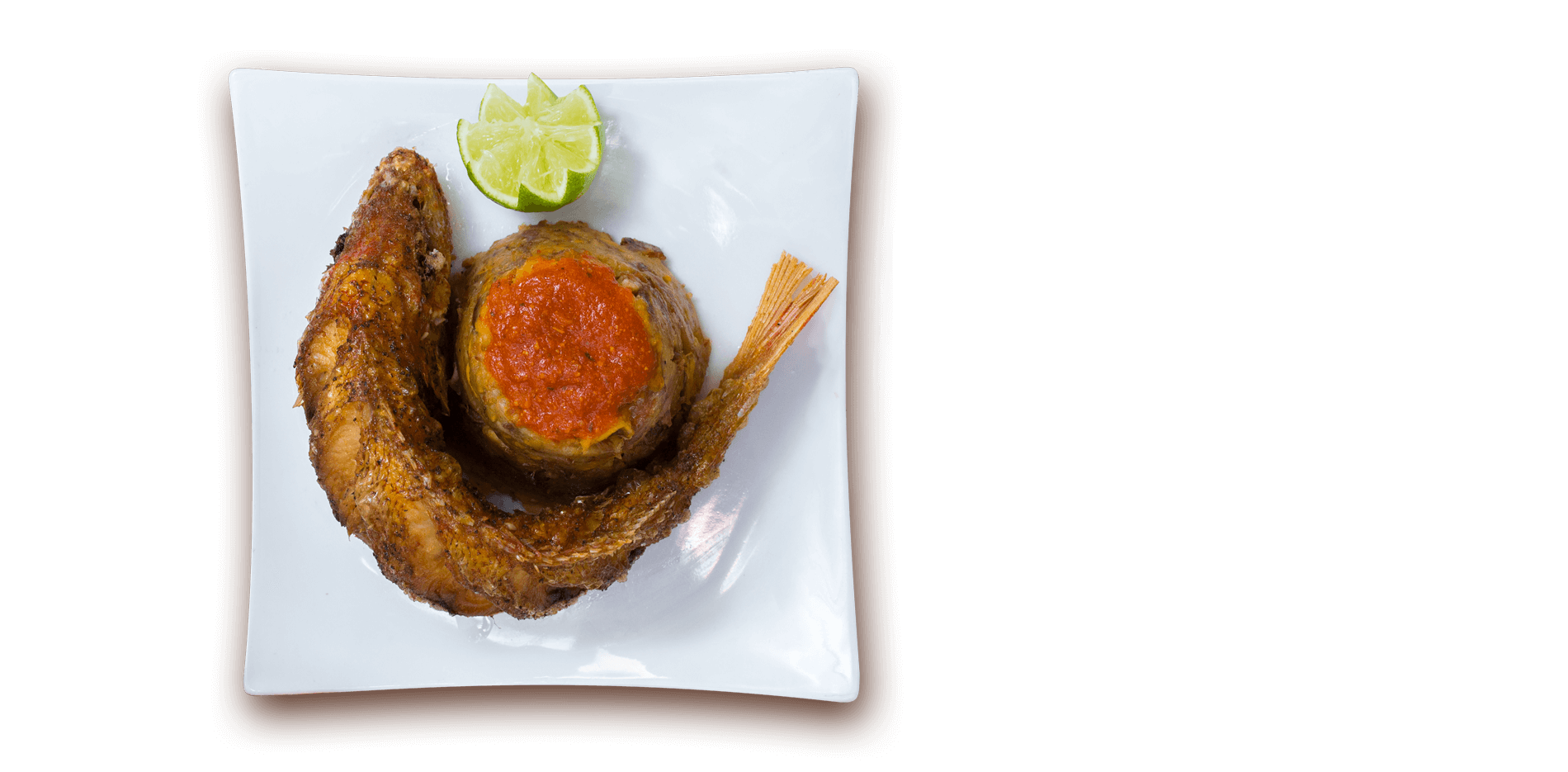
Dominican fare is very similar to that found in other Latin American countries, especially Cuba and Puerto Rico - the only two other Spanish-speaking countries in the Caribbean . Some of the dishes are almost identical and only the names change.
Other countries and influences have found their way into our kitchens also. Pasta is a fundamental part of Dominican cooking; spaghetti was called once "the meat of the poor". Exotic ingredients, like salted codfish and salted smoked herrings are also part of our culture.
From: “Aunt Clara’s Kitchen” www.dominicancooking.com |